Understanding FTMO Prop Trading Platform
A comprehensive information resource about prop trading, FTMO challenge process, and how prop firms operate in the modern trading landscape. Updated for 2026.

A comprehensive information resource about prop trading, FTMO challenge process, and how prop firms operate in the modern trading landscape. Updated for 2026.
Explore what makes prop trading firms an attractive option for traders seeking capital and professional development opportunities.
Prop firms provide traders with access to substantial trading capital after successfully completing evaluation challenges, allowing for larger position sizes and potential profits.
Advanced risk management systems help traders maintain discipline with defined maximum loss limits and daily drawdown parameters during the FTMO challenge.
Prop traders typically receive a percentage of profits generated, with many prop firms offering splits ranging from 70% to 90% in favor of the trader.
Comprehensive analytics and performance metrics help prop traders understand their trading patterns and improve strategies over time.
Many prop trading platforms provide educational materials, webinars, and trading psychology resources to support trader development.
Trade various instruments including forex, commodities, indices, and cryptocurrencies through prop firm platforms with competitive spreads.
Understanding the process from evaluation to funded trading account in the prop trading industry.
Traders choose an account size and challenge type that matches their trading style. The FTMO challenge comes with specific profit targets and risk parameters.
During the evaluation, traders must demonstrate consistent profitability while adhering to risk management rules. This typically involves reaching a profit target within a specified timeframe.
After passing the initial challenge, traders enter a verification phase where they prove their trading strategy is sustainable and not based on luck.
Successful traders receive access to a funded account with real capital. They can then trade according to the prop firm's rules while earning profit shares.
Real-world examples of how prop traders approach different market conditions and trading strategies in 2026.
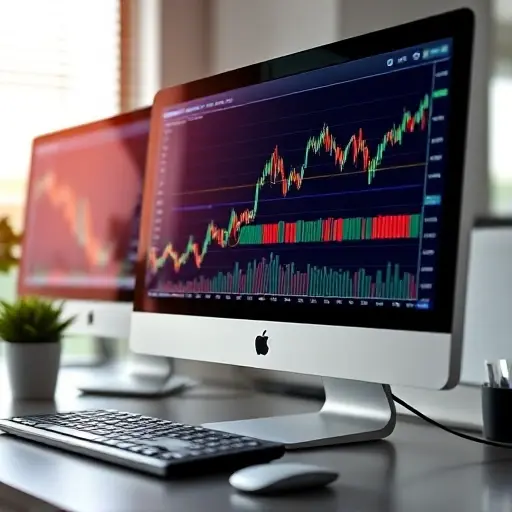
Day traders using prop firm capital often focus on intraday volatility, executing multiple trades throughout the session while maintaining strict risk controls.
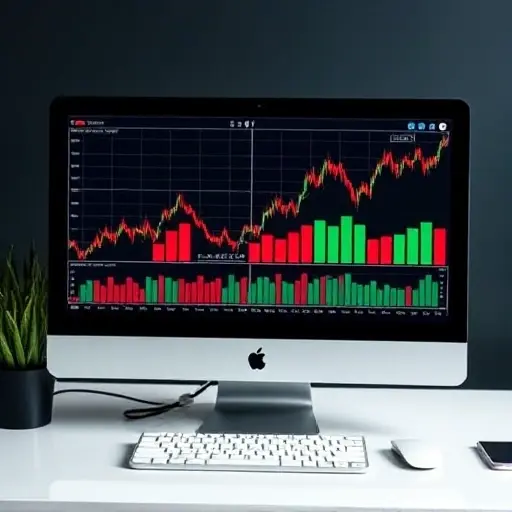
Swing traders hold positions for several days, capitalizing on medium-term price movements while managing overnight risk within prop firm guidelines.

Scalpers make numerous quick trades, profiting from small price movements. This requires excellent execution speed and tight spread conditions from the prop shop.
Understanding how prop firms protect both traders and capital through structured risk management protocols.
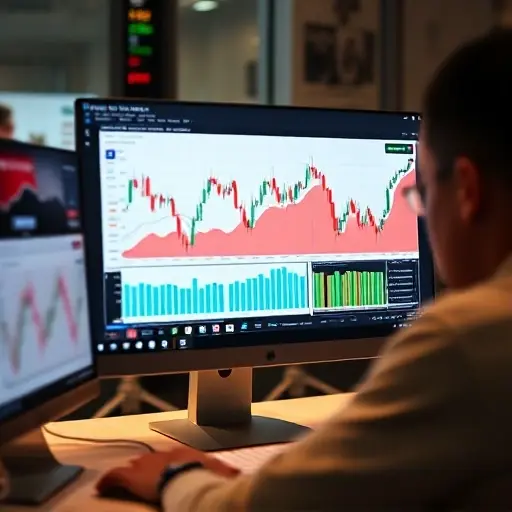
Prop trading firms implement multiple layers of safety to ensure sustainable trading practices and capital preservation.
Common questions about prop trading, FTMO accounts, and the challenge process answered.
This website is provided for informational purposes only. It is an independent resource and is not an official website. No affiliation or endorsement is implied. All trademarks belong to their respective owners.